Lawyers decide to do a Master of Laws (LLM) for all sorts of reasons.
For many, it’s about deepening their legal expertise. Some are seeking professional recognition. Others are looking to boost their earning potential. (And it’s easy to see why: lawyers with postgraduate qualifications earn up to $30k more annually.)
But postgraduate study can also take you to unexpected places.
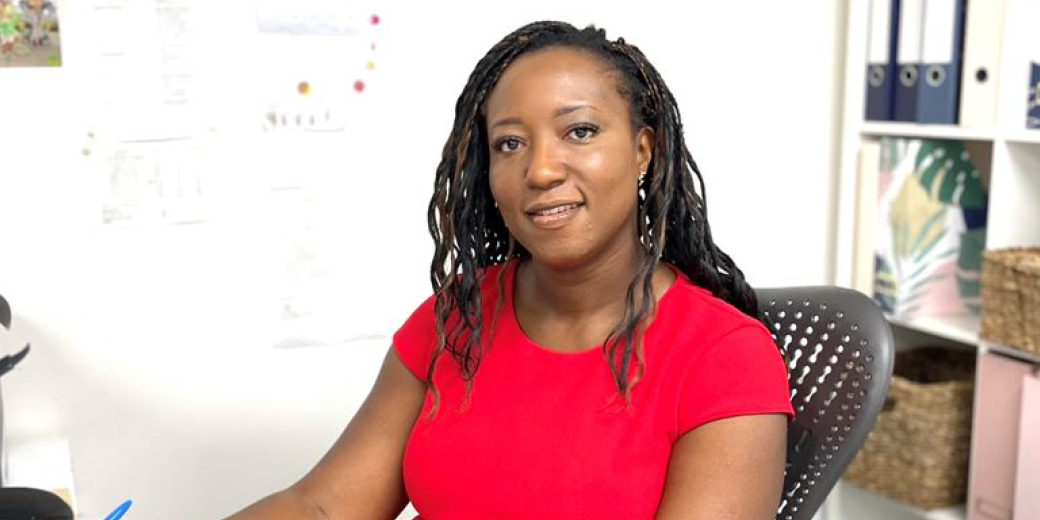
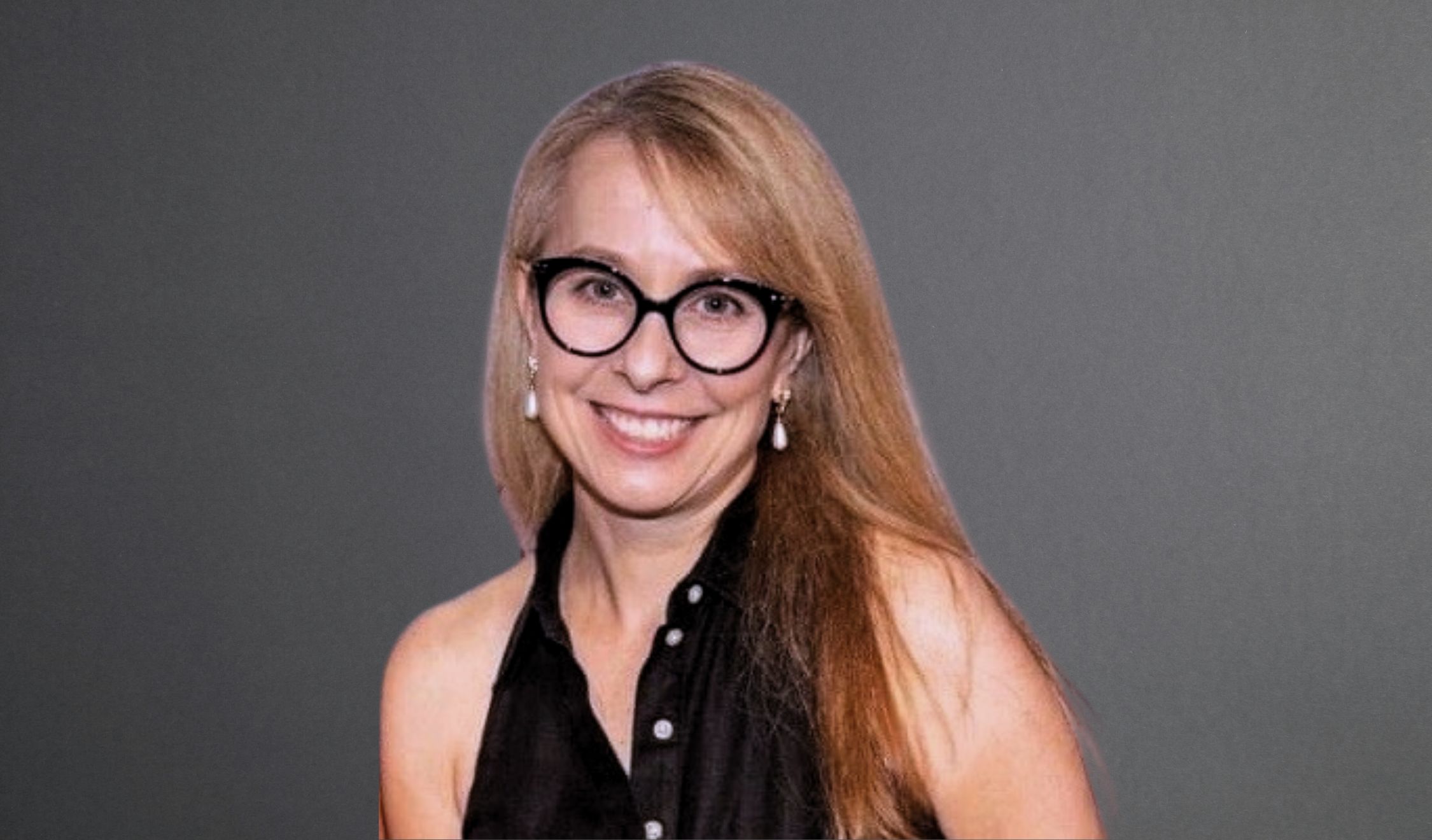
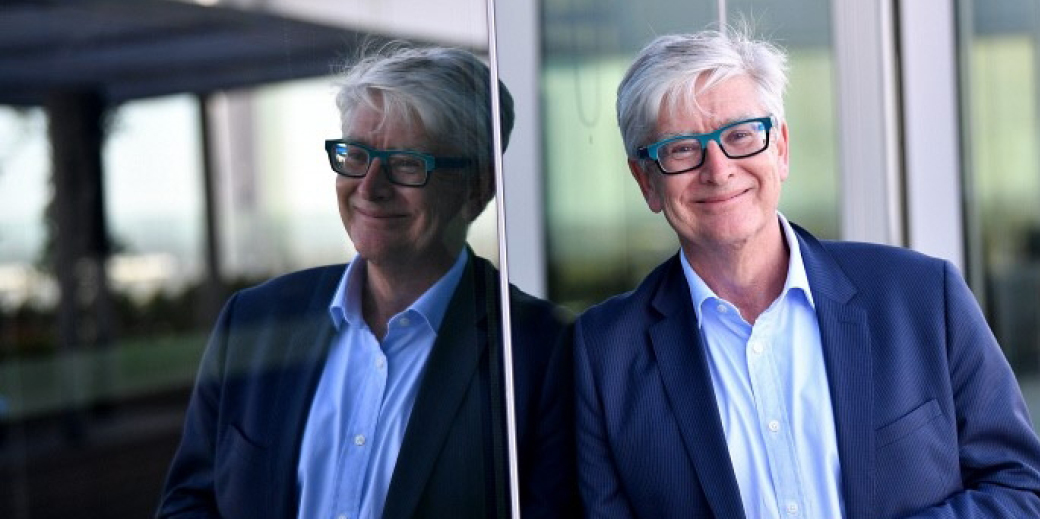
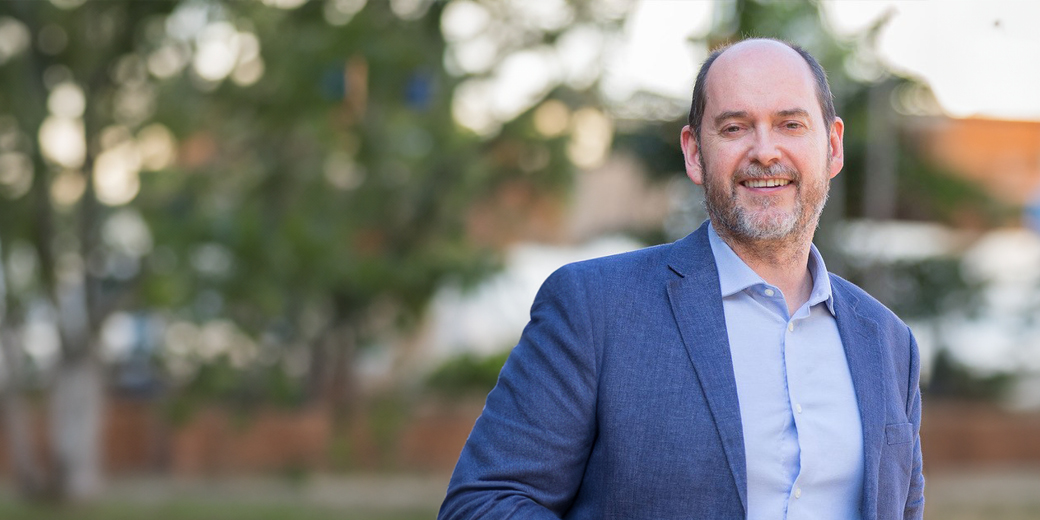
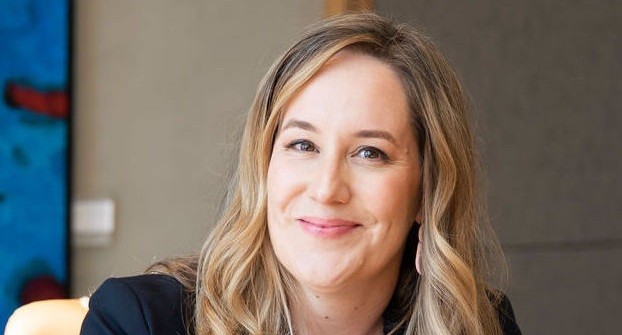
For accredited specialists Nicole Smith and Max Williams, it led them back to the College of Law. Not as students, this time, but as lecturers in the very program that helped shape their careers.
Thank you to Nicole and Max for sharing their stories.
Strengthening the foundations
Nicole Smith didn’t set out to become a lawyer.
“I’d always wanted to be a criminologist or a profiler,” she explains. “But after working at a community legal centre during my studies, I found my way into family law, and it just clicked. I felt like I was genuinely helping people.”
Like many early-career lawyers, though, Nicole found herself learning on the job without a clear understanding of the legal reasoning underpinning her work.
"I learnt ways of working from other practitioners, but didn't understand why I was doing what I was doing."
In a bid to strengthen her foundations, Nicole enrolled in the College's Master of Laws (Applied Law), majoring in family law. And the impact was immediate.
"There were so many lightbulb moments. Things I'd been doing instinctively finally had a framework behind them. It really made me a better lawyer, and it gave me the foundation I needed to apply for specialist accreditation."
But as it turned out, this wouldn’t be the final step in her career.
A path back to the classroom
As Nicole progressed, she enjoyed mentoring junior solicitors. But actually teaching? Never part of the equation.
“I’m prone to imposter syndrome,” she admits. “I never thought I’d be considered for lecturing without a PHD.”
But that started to shift when a colleague saw something in her that she hadn’t fully recognised in herself. “She kept saying, ‘Why are you not lecturing? You explain things so well,’” Nicole remembers.
Encouraged by that feedback – and prompted to apply – Nicole began to seriously consider the idea. And when a role at the College of Law came up, she took a chance.
"I did my Practical Legal Training (PLT), LLM and Graduate Diploma in Family Dispute Resolution at the College and I loved it. I’m not the most academic, so the practical approach really suited me. I thought, if anywhere might be a good fit for a lecturing role, it would be here. I’ll send my CV and see what happens.”
The gamble paid off. The College asked if Nicole would like to start as a marker before teaching Family Dispute Resolution in the next intake.
“Honestly, that felt perfect for me. It’s given me a chance to observe from the background before jumping in. I’ve really enjoyed reviewing the assignments and trying to figure out whether I’m a tough or easy marker!”
A plan coming together
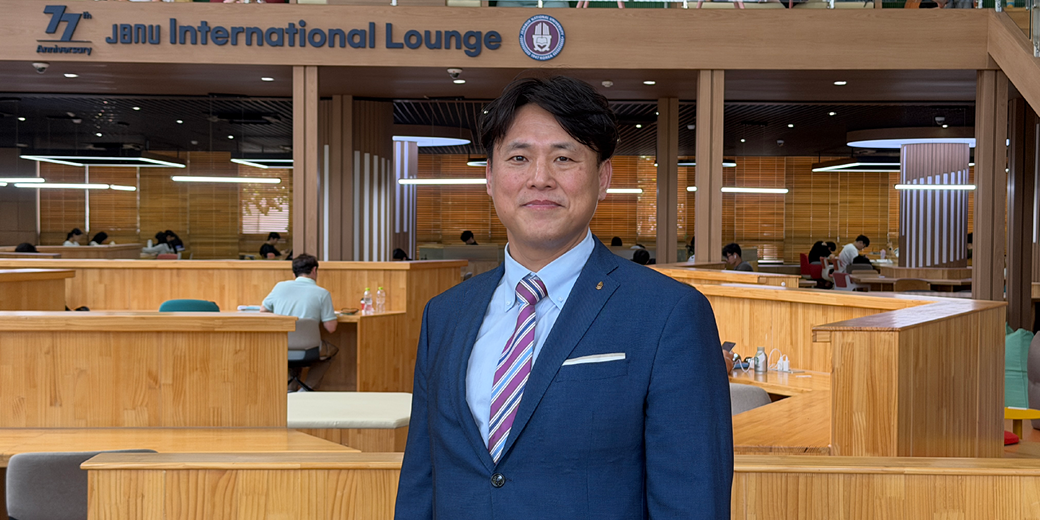
For Max Williams, an accredited specialist in wills and estates, the path back to the College was more intentional.
"I've been interested in teaching since high school, but ended up in law. I did my LLM at the College in 2017 and applied for specialist accreditation in 2019."
With his career established, he decided it was time to revisit that earlier interest. So he reached out to the College directly.
“When I first got in touch, there were no opportunities. But they said they’d keep my name on file. A few months later, they got back in contact to say they needed a lecturer for the Family Provision subject. I accepted the role and have been teaching it ever since. It’s now been five years. I love it.”
For Max, returning to the College was a great full-circle moment – one where his postgraduate experience proved invaluable.
“As a master’s graduate, you’re in an ideal position,” says Max. “You’ve gone through the course yourself and can bring that experience into the classroom. I think that must have worked in my favour when I applied.”
Teaching in practice
So what’s teaching like? And how easy is it to balance with legal practice?
“Postgraduate subjects typically run over nine weeks, with weekly online lectures and accompanying assessments,” Max explains. “Lectures are only an hour, so they’re easy to fit into my lunch break. Marking takes up more time – I usually leave a few weekends free around assessment deadlines.”
The combination of practice and teaching has proved mutually beneficial for Max.
“Naturally, my work as a wills and estates lawyer informs my lecturing and ensures my teaching is current. But it doesn’t just flow one way. Lecturing absolutely informs my work as a lawyer too.
“When I’m advising clients, I often draw on the material I’ve been teaching.”
That constant crossover keeps his knowledge sharp – particularly in specialised areas that don’t always feature heavily in his day-to-day workload.
"There are several areas to my job. I may only handle a family provision matter once every few months, but because I know I'll be living and breathing that topic twice a year for nine weeks, I'm always on top of the area."
The result is a feedback loop between teaching and practice.
"My job makes me a better lecturer, and the lecturing makes me a better lawyer."
A way to give back to the profession
For all the professional benefits, both Nicole and Max are clear on one thing: teaching is about more than career progression. It's about helping the next generation of lawyers find their footing – and strengthening the profession in the process.
“I remember what it’s like to be a junior solicitor,” says Nicole. “In the first two years of practice, you’re flying by the seat of your pants. I want to help students move through that uncertainty.”
She believes this work will have a ripple effect across the profession.
"When lawyers are still figuring it out, they can sometimes act with misplaced confidence. You see it a lot in family law. If you meet someone on the other side of a matter who’s being unnecessarily aggressive, you can bet it’s because they’re not completely sure what they’re doing. And it makes it so much harder to get anywhere.
“That's what excites me about teaching: doing my bit to upskill the next generation and help strengthen the profession."
On the Family Provision subject, Max has been working with the College to refine assessment structures so they better reflect real-world practice: "It was great to align the assessment more closely with what lawyers actually do."
In doing so, he’s helping close the gap between study and practice – and turning out lawyers who are ready for the real thing.
Where postgraduate study can take you
Nicole and Max’s stories show postgraduate study can be so much more than a line on a CV. It can change how you think, how you practise and where your career goes next.
The College’s practitioner-led learning model offers a rare full-circle pathway: lawyers study under experts, become experts themselves, and then return to the classroom – at the front of the room.
Want to find out where further study could take you? Explore our postgraduate programs now.








































![How to handle Direct Speech after Gan v Xie [2023] NSWCA 163](https://images4.cmp.optimizely.com/assets/Lawyer+Up+direct+speech+in+drafting+NSW+legislation+OCT232.jpg/Zz1hNDU4YzQyMjQzNzkxMWVmYjFlNGY2ODk3ZWMxNzE0Mw==)